About SEPIA Foundation
Catalyzing potato sector transformation for inclusive growth and food security in sub-Saharan Africa.
Potato for food security and income
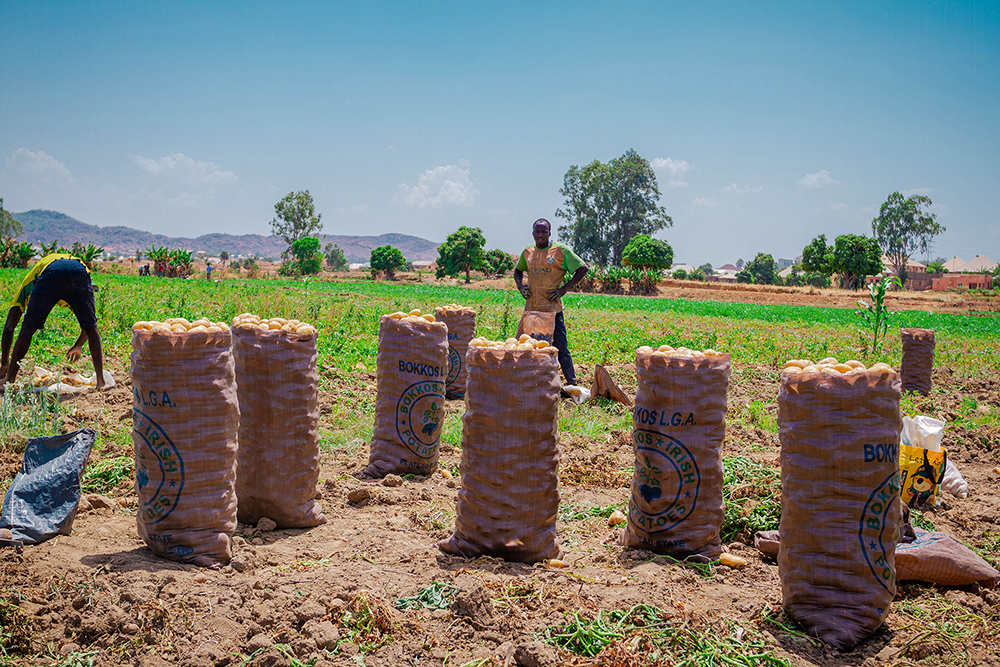
Potato can become a mainstream affordable staple food, contributing to achieving food and nutrition security in sub-Sahara Africa. The crop is almost exclusively produced by smallholder family farmers. Their average yields and revenue can be doubled with relative ease through practical training and the use of high-quality seed.
Decentralised quality seed supply and TPS
The first major challenge to eco-efficient potato production in sub-Sahara Africa is the use of low-quality seed potatoes. A robust decentralised seed potato production and supply chain needs to be established. The next generation True Potato Seed is a promising technology to support this system.
The next generation True Potato Seed is a promising technology to support a decentralised seed potato system. Alternative rapid multiplication options are based on in-vitro plantlets as starting material, such as apical rooted cuttings, sand hydroponics and aeroponics.
Eco-efficient potato production practices
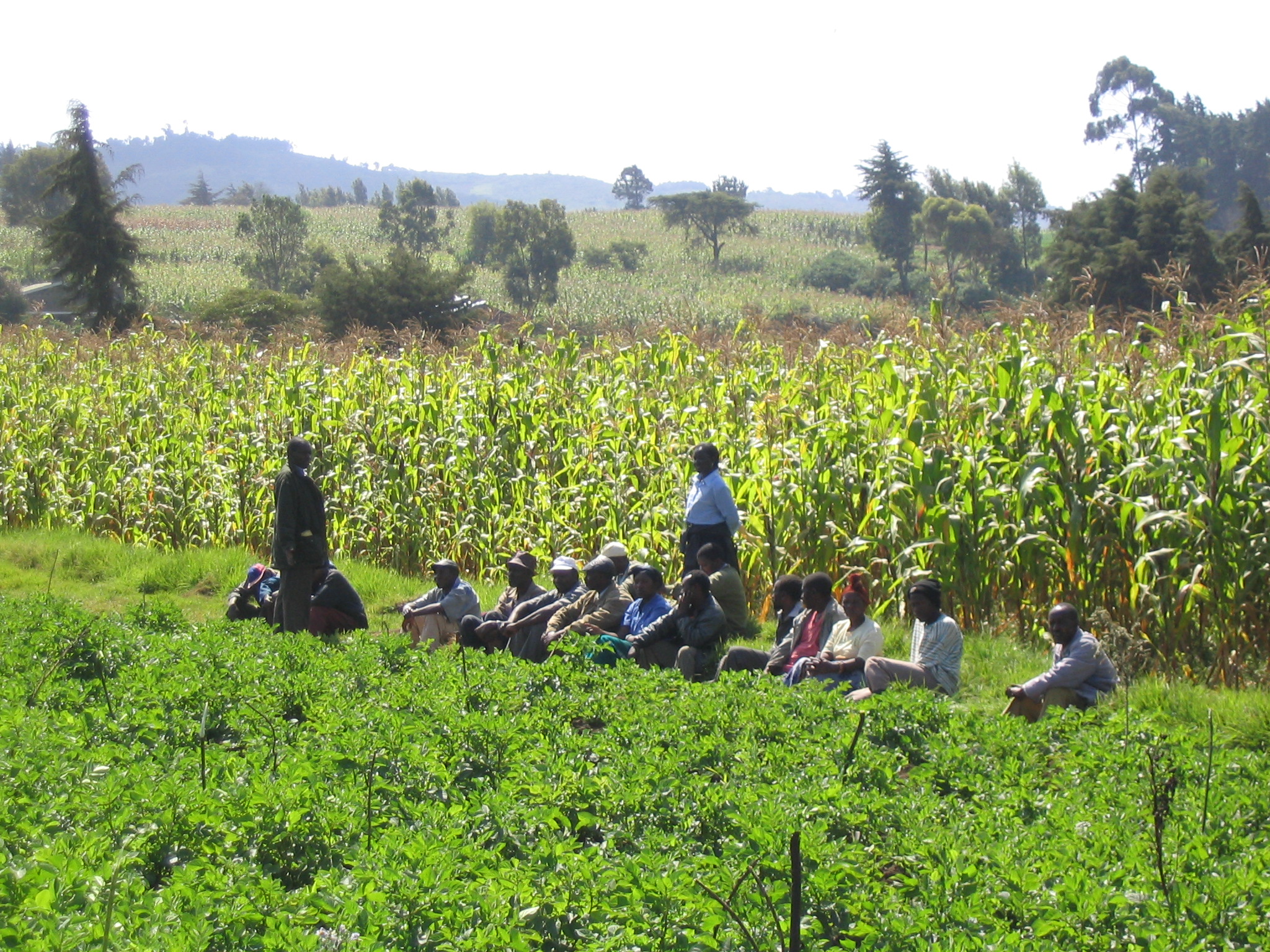
Potato farmers in sub-Sahara Africa require education on quality seed use and potato production practices. With the use of good quality seed and good practices, potato farmers can double their profits, while reducing production costs per kilo.
To assist the 3 million potato producers in sub-Sahara Africa to optimise their farming they require education on quality seed use and potato production practices. With the use of good quality seed and good practices, potato farmers can double their profits, while reducing production costs per kilo, which will benefit the wider potato industry and end-consumers.
Farmers need assistance through practical training, with the field as the classroom, in which they get the opportunity to compare and discuss, with peers, options for change with their common practice. Such training requires a targeted curriculum, a collaboration between seed and input suppliers, private and public extension and farmer organisations, to assure cost-efficiency and reaching scale.
Public-Private Partnership Projects
To pursue its mission, the Sepia Foundation uses next generation TPS and other innovative seed technology as a catalyst for change. Sepia initiates public-private partnership projects in countries where potato is vital, serving as initiator and technical advisor.
- Registration of robust TPS and conventional varieties with resistance to diseases and adapted to the African production and market realities
- Assure an enabling environment for commercial potato seed sector development
- Adapt TPS and other innovative seed technology use practices to the African farming realities
- Develop commercial potato seed supply chains reaching the last mile potato producers with affordable quality planting material
- Develop and roll-out farmer training on use of good quality potato seed and good agricultural practices in all potato producing zones of sub-Sahara Africa
Sepia will initiate public-private partnership projects in those countries in sub-Sahara Africa where potato is of importance. The projects will be lead and implemented by locally established organizations in collaboration with local and international private sector and national public Institutes. The role of the Sepia Foundation is to be initiator of, and technical advisor to, these projects.